

A wiring harness is usually designed to simplify the manufacture of larger components and is designed according to the geometric and electrical requirements of the installed equipment.
Wire harnesses are commonly used in the electronics industry, automobile industry, construction machinery and industrial equipment manufacturing, as well as white goods manufacturing, such as washing machines and dryers, refrigerators and other household appliances.

The wiring harness simplifies the construction of these large components by integrating wiring into one unit, or several units, for "drop-in" installation. By tying many wires, cables, and components into a harness, the OEM or installer only needs to install one component. In addition, the wiring harness can better protect the entire assembly from wear and vibration. By compressing the wiring harness into an unbent bundle, the use of space is optimized.
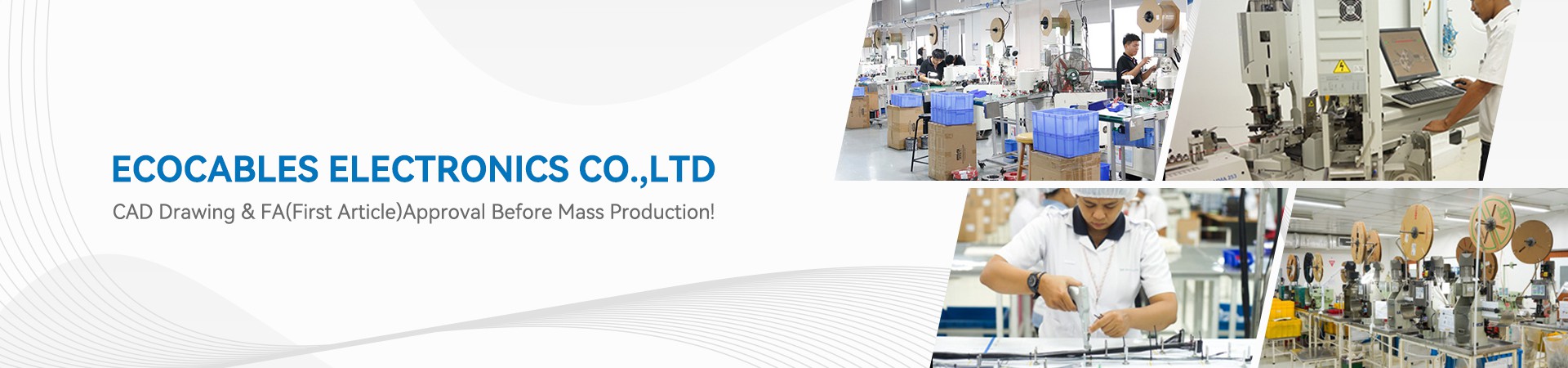
Once a design is established, the process of building a wire harness starts with the development of a schematic that is used to create the manufacturing paperwork and the assembly board for the harness. The assembly board, or pin board, is a full size diagram of the harness and shows all of the components and their location and also serves as the workbench for the harness. The wires needed for the harness are supplied on a master reel and are cut to the desired length and identified with printing or labeling if necessary. Once cut to the proper length, the wires are stripped to expose the uninsulated conductor and then fitted with any required terminals or connector housings. These wires and components then are put on the pin board and are bound together by any necessary straps, cable ties, cable lacing, sleeves, tapes, weaves of extruded string, or any combination of these.
Although people hope to increase the degree of automation, wire harnesses generally continue to be manufactured by hand due to the many different processes involved.