

Signal Cable
Importance of Signal Cables


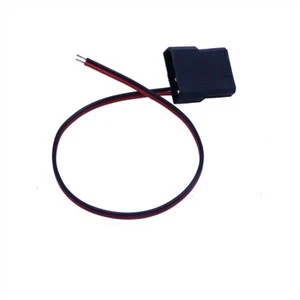
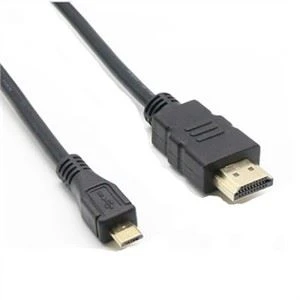
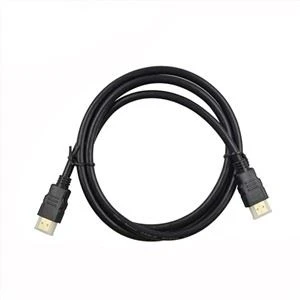
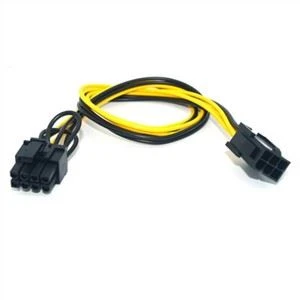
who we are?
Feature Of Signal Cables
Signal cables are engineered to minimize signal loss, ensuring that the signal transmitted from one end is received with as little degradation as possible at the other end.
01
They often have shielding to protect the signals from external electromagnetic interference, which can distort or disrupt the signal.
02
Signal cables are typically more flexible than power cables, allowing them to be routed through tight spaces and around corners.
03
They come with a range of connectors to suit different types of devices and applications.
04
They are often designed with a specific impedance to match the system they are used with, which is crucial for maintaining signal integrity.
05
Type Of Signal Cables
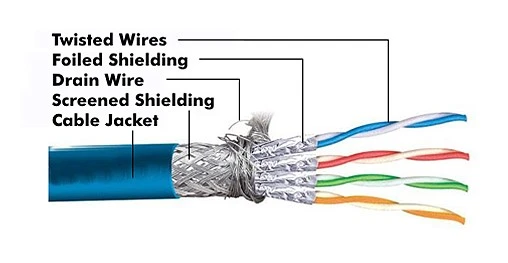
Shielded Twisted Pair (STP)
STP cable has an added conductive layer (usually metal foil or mesh) around each pair or the entire cable. They are commonly used for instrument cables in industrial applications and in harsh hot and cold environments.
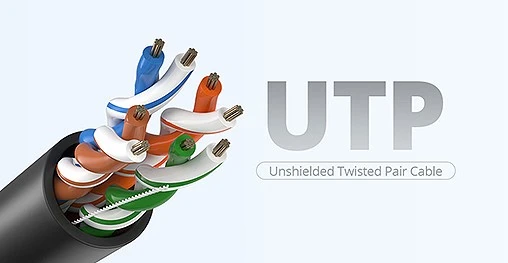
Unshielded Twisted Pair (UTP)
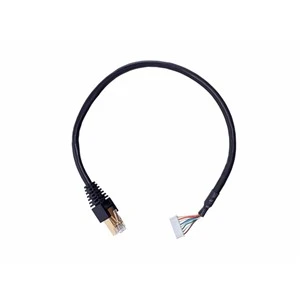
UTP cable has no additional shielding such as mesh or foil. They are cheap, suitable for computer networks such as Ethernet, and are used for short to medium-distance connections.
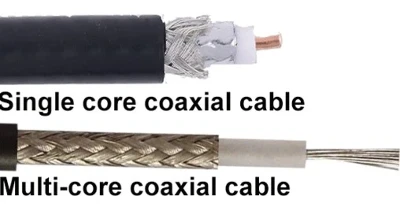
Coaxial Cable
Coaxial cable has multiple layers with a conductor called a core inside that transmits radio frequency signals.
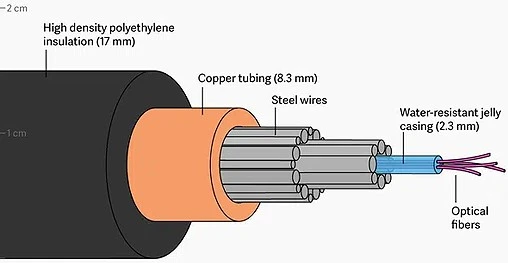
Fiber optic cables
Fiber optic cables use optical fibers for signal transmission and are suitable for high-speed data transmission and long-distance communications.
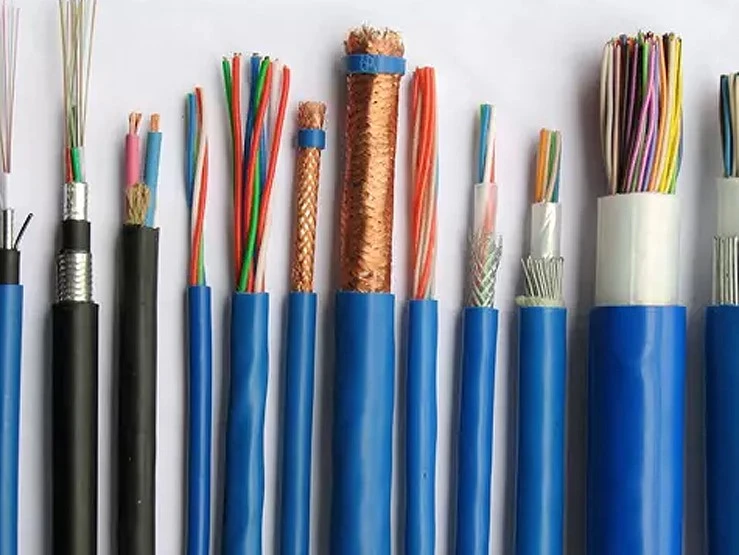
Signal Cables Material
Why choose ECOCABLES as your signal cable supplier
Based on application-specific needs, we provide custom services.
Offering small MOQ, making our products available to businesses of all sizes.
3-5 working days for small quantities, and 7-15 working days for large quantities.
With 100+ advanced testing instruments, we ensure every product meets professional standards.
Everything You Need to Know
What is Signal Cables?
A signal cable is a type of cable used to transfer data or electrical signals. It can be made of metal wire or optical fiber. Signal cables are essential for connecting various devices and enabling them to communicate with each other, such as a computer sending data to a printer. They are also known as data transmission cables and can carry both data and power over long distances. For example, coaxial cable, often referred to as coax, is a common type of signal cable. It consists of an inner conductor surrounded by a concentric conducting shield, separated by a dielectric insulator. Coaxial cables are used for programs like phone trunk lines, broadband net networking, and cable tv signals. They are designed to carry high-frequency electrical signals with low losses and are protected from external electromagnetic interference.
The difference between control wires, power wires and signal cables
Control cables are designed to connect control devices such as programmable logic controllers (PLCs) to the machinery they regulate (such as motors, valves and actuators). These cables can carry higher currents and voltages as they often provide the power needed to drive equipment or machines. Control cables can be shielded or unshielded and often have multiple conductors to allow various control or power connections within a single cable. Power cords are mainly used to transmit electricity. They are designed to handle the higher current loads required to operate a variety of equipment and machinery. The insulation on power cords is very strong to prevent high voltages and ensure safety. Power cords can be shielded or unshielded and come in various sizes, usually represented by the cross-sectional area of the conductor. Signal cables are typically shielded to protect the integrity of the signal from electromagnetic interference (EMI). They often incorporate twisted pairs within the cable to reduce interference and minimize crosstalk. Signal cables have a lower current carrying capacity compared to power cables because they are not suitable for carrying high power loads.
We're well-known as one of the leading signal cable manufacturers and suppliers in China. Our factory offers customized signal cable made in China with competitive price. Welcome to contact us for free sample.
Cat5e Patch Cable Wiring, Computer Cable Assembly