

Home Appliance Wiring Harness
What Is a Home Appliance Wiring Harness
A home appliance wiring harness is a set of wires, connectors, and coverings that connect various electrical components in a household appliance, such as a refrigerator, washing machine, or air conditioner. The wiring harness allows the appliance to transmit signals and power, as well as to function safely and reliably. A wiring harness can also reduce the complexity and cost of installation and maintenance of the appliance.
More specifically, a wire harness can be defined as a set of circuits (components such as cables, terminals, connectors, tape, etc.) that carry signals from point A to point B.
Due to the responsibility of this set of cables, the manufacturer conducts strict quality control on its manufacturing process, because only in this way can the safe and efficient operation of the equipment be guaranteed. Can you imagine how dangerous it would be if your instrument cables were defective? You may even get an accidental electric shock.


Advantages of Our OEM Home Appliance Wiring Harness
● Technical Expertise: With 24 years of industry experience, we possess specialized knowledge in designing and manufacturing high-quality wiring harnesses.
● Customized Solutions: We offer tailor-made wiring harness solutions based on customer requirements, ensuring a perfect match with your products.
● Quality Assurance: Our products comply with international standards and have undergone various certifications, ensuring reliability and safety.
● Competitive Pricing: We provide top-quality custom harnesses at the most favorable prices.
● Swift Delivery: Our efficient production capacity and flexible scheduling allow us to promptly meet customer demands.
● Strong Partnerships: We maintain long-term stable partnerships with numerous players in the home appliance industry, offering excellent pre-sales and after-sales services.
For a quote, please reach out to us at Ecocables. We are committed to providing high-quality customized wiring solutions to support your product innovation and competitiveness. If you’re interested in our products and services, feel free to leave a message, and we’ll be dedicated to assisting you.

A home appliance wiring harness is important because
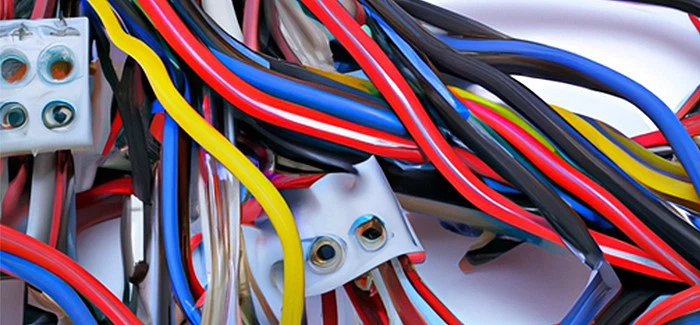
• It connects various electrical components in a household appliance, such as a refrigerator, washing machine, or air conditioner, allowing the appliance to transmit signals and power, as well as to function safely and reliably.
• It protects the wires and cables from damage caused by moisture, abrasion, heat, chemicals, and electromagnetic interference, by using appropriate coverings and insulation materials.
• It reduces the complexity and cost of installation and maintenance of the appliance, by simplifying the wiring into a single unit that can be easily installed and serviced.
• Enhancing the appearance and convenience of the appliance, by using flexible, smooth, noiseless, and easy-to-operate wire harnesses.
Home appliance wiring harness consists of several key components
They connect the various electrical components in your home appliances and make them work properly. These components are

Wires and Cables
These are the basic elements of a wiring harness that transmit electrical signals and power. They are usually made of copper or aluminum and insulated with materials like PVC or Teflon.

Terminals
These are the endpoints of the wires that allow them to make electrical connections to different devices or components within the appliance, such as switches, relays, or outputs.

Connectors
These are the devices that join the wires or cables together or to other parts of the appliance. They can be of various types, such as plugs, sockets, clips, or pins.

Protective Sheathing
This is the covering that protects the wires and cables from damage caused by heat, moisture, abrasion, chemicals, or electromagnetic interference. It can be made of materials like heat-shrink tubing, braided sleeving, or conduit.
ECOCABLES is a manufacturer and supplier in China specializing in the R&D and production of wire harnesses and cable assemblies
Including wire harness design and manufacturing, mold design and manufacturing, connector design and manufacturing, and wire rod design and manufacturing.
Ecocables has an experienced R&D team that can quickly respond to the changing market and various needs. The R&D team helps customers define concepts, design drawings, provide material suggestions, develop new products, and finally deliver products to customers.
From prototype, drawing design, production, packaging and delivery, ECOCABLES will take care of it all. We sincerely welcome you to contact us for cooperation and visit our factory.
Your Expert Wire and Cable Harness Manufacturer, Since the year 2000 with a good reputation.
All raw materials are ROHS, REACH, HF compliant, tested by SGS, and Factory ISO certified.
Custom wire harness assemblies are built per your specific needs.
Factory with 24 years of import experience, and fast delivery of overseas raw materials.
High-performance wire materials, PVC, SR-PVC, TFE, PTFE, PU, XLPE.

Cable Warehouse

Connector Warehouse

Wire Warehouse

Terminal Warehouse
1. Wiring Harness Design
Wire harnesses are typically designed to simplify the fabrication of larger components and are designed based on the geometric and electrical requirements of the device in which they are to be installed.
Wiring harnesses are commonly used in the electronics industry, the automotive industry, the manufacturing of construction machinery and industrial equipment, as well as the manufacturing of white goods such as washing machines and dryers, and refrigerators.
Wiring harnesses simplify the construction of these larger components by integrating the wiring into one or more units for "drop-in" installation. By bundling many wires, cables and components into a single harness, the OEM or installer only has to install one component. In addition, wire harnesses better secure the complete assembly, protect against the effects of wear and vibration, and optimize space utilization by compressing the wires into non-bent bundles.
Once the design is determined, the process of building the wire harness begins with the development of schematics, which are used to create the manufacturing files and assembly boards for the wire harness. An assembly board or pinboard is a full-scale drawing of a wire harness that shows all components and their locations and also serves as a workbench for the wire harness. The wires required for the harness are supplied from the main reel cut to the required length and identified by printing or labelling where necessary. Once cut to the appropriate length, the wire is stripped to expose the uninsulated conductors and any required terminals or connector housings are installed. These wires and components are then placed on the patch panel and tied together by any necessary strapping, zip ties, cable ties, sleeves, tape, extruded rope braid, or any combination of these.
Despite the desire for greater automation, wire harnesses are still generally manufactured by hand due to the many different processes involved.
2. Wire Harness Assembly Process
These processes include, but are not limited to, the following:
Mount wires and/or components to the mounting plate.
Thread wires and/or components through any desired sleeving.
Use wraps, ties or tape, especially around any branches.
Crimp terminals onto wires, especially when more than one wire is inserted into a terminal.
Automating the wire harness building process is difficult. Manual production is still more cost-effective than automation, especially for small batches. The pre-production or matching of wire harnesses can be automated to a certain extent.
This will affect the following steps:
Cutting and identifying individual wires (cutter/stripper).
Crimp the terminals to one or both sides of the wire.
Insert the pre-terminated wire portion into the connector housing.
Welding wire ends (welding machine).
Twisted wires.
Where Are Home Appliance Wiring Harnesses Used?
There are many types of home appliance wiring harnesses, each with different characteristics and applications.

Microwave cable assemblies
These are used to connect the microwave oven to the power source and the control panel. They have to withstand high temperatures and electromagnetic interference.

Refrigerator wire harness
This is responsible for the effective transmission of signals and power between the refrigerator and the compressor, fan, thermostat, and other components. It has to be flame-retardant, moisture-proof, and durable.

Air conditioner wiring harness
This is used to connect the air conditioner to the power supply, the indoor and outdoor units, and the remote control. It has to be temperature-resistant, oil-resistant, wear-resistant, waterproof, and flame-retardant.

TV wire harness
This is used to connect the TV to the power source, the audio and video devices, and the remote control. It has to be compatible, reliable, and resistant to signal attenuation.

Washing machine wiring harness
This is used to connect the washing machine to the power source and the control panel. It has to be safe, stable, and easy to install.

Coffee machine wire harness
This is used to connect the coffee machine to the power source and the water tank. It has to be simple, safe, and reliable.
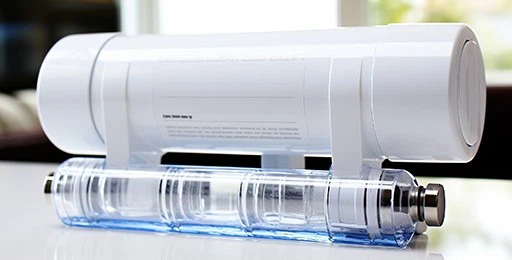
Water purifier wiring harness
This is used to connect the water purifier to the power source and the filter. It has to be flame retardant and high temperature resistant, with tight contact and no fire.

Intelligent toilet wiring harness
This is used to connect the intelligent toilet to the power source and the leakage protector. It has to be waterproof, corrosion-resistant, and durable.

Curtain wiring harness
This is used to connect the curtain to the power source and the remote control. It has to be smooth, noiseless, and easy to operate.
Questions Related To Home Appliance Wiring Harness Products
How to choose the right home appliance wiring harness?
What are the functions of home appliance wiring harnesses?
What are the characteristics of home appliance wiring harnesses?
How to install and maintain home appliance wiring harnesses?
What are the challenges of home appliance wiring harnesses?
What are the trends of home appliance wiring harnesses?
How long do home appliance wiring harnesses last?
How to dispose of home appliance wiring harnesses?
How to troubleshoot home appliance wiring harnesses?
What are the common problems of home appliance wiring harnesses?
We're well-known as one of the leading home appliance wiring harness manufacturers and suppliers in China. Our factory offers customized home appliance wiring harness made in China with competitive price. Welcome to contact us for free sample.
Home Appliance Wiring Harness, DC Supply Machine Wiring Harness, JST SH Connector Shield Wire Harness