

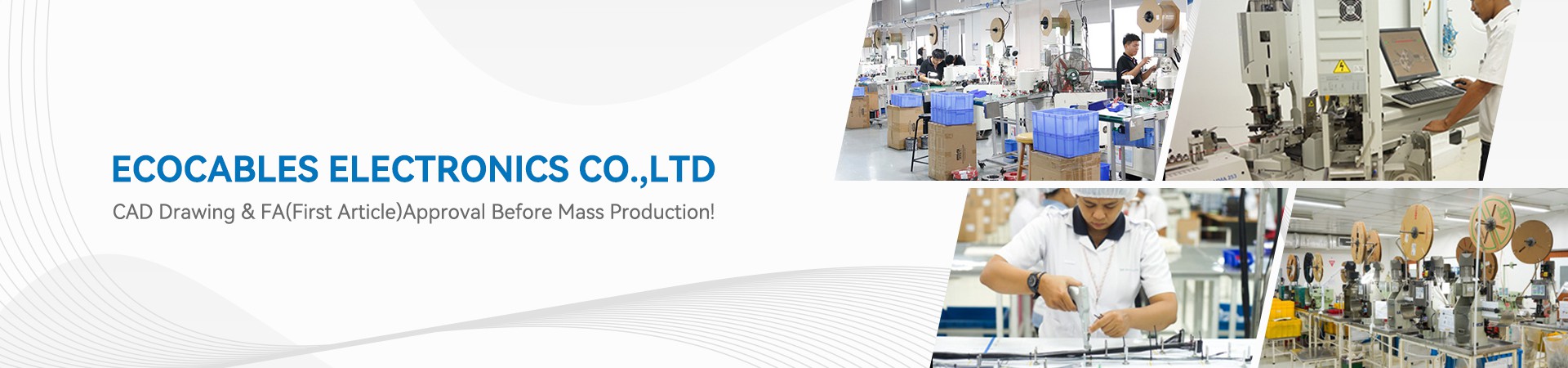
Wiring harness assembly process is one of the few more effective manual production processes that exist, rather than automation. This is due to the variety of processes involved in assembly. These manual processes include:
● Installing terminated wires in various lengths
● Routing wires and cables through sleeves and conduits
● Taping breakouts
● Conducting multiple crimps
● Binding the components with tape, clamps or cable ties
Due to the difficulties involved in automating these processes, manual production continues to be more cost-effective, especially small batch production. This is why the production of wire harnesses takes longer than other types of cable assemblies. The production process may take several days to several weeks. The more complex the design, the longer the production time required.

However, there are certain portions of pre-production that can benefit from automation. These include:
● Using an automated machine to cut and strip the ends of individual wires
● Crimping terminals on one or both sides of the wire
● Plugging wires pre-fitted with terminals into connector housings
● Soldering wire ends
● Twisting wires