

The main function of the wiring harness assembly is to solve the problems related to electrical requirements and geometric restrictions in the electrical system. They provide physical support for a set of cables and wires installed in a specific space. Harnesses are mainly used for organizational purposes in less demanding applications. They are generally not suitable for outdoor use or in environments with hazardous environmental risks.
Sometimes referred to as a cable or wiring loom, a wire harness assembly arranges groups of wires and/or cables into a single unit to protect and organize various terminals and connectors. These terminals and connectors are The shape or layout is routed by the connector to the various connection points of a component.
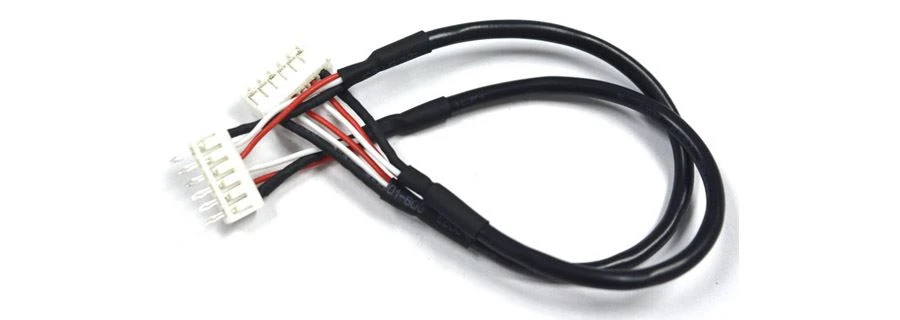
Wire harnesses provide a low-cost electrical solution for organizing electrical wiring systems.
Maintaining the required length and direction of wires and cables is an important part to promote faster and easier installation. Components may include a variety of cable or wire structures, sizes, colors and materials, all used according to the specified application.
Wire harness components usually use sheathed wires and/or multi-core cables, which are connected together by ty bags or tubes to protect and organize bundled wires/cables. Most applications also require unique terminals, such as plug or socket arrangements to connect to the wires. Taking into account the number of potential variables involved, all wiring harnesses are customized for their intended operating environment.