

Wire harnesses can be made from a number of durable materials. Some of the most common include:
1. PVC
2. Vinyl
3. Thermoplastic elastomer
4. Polyurethane
5. Polyethylene
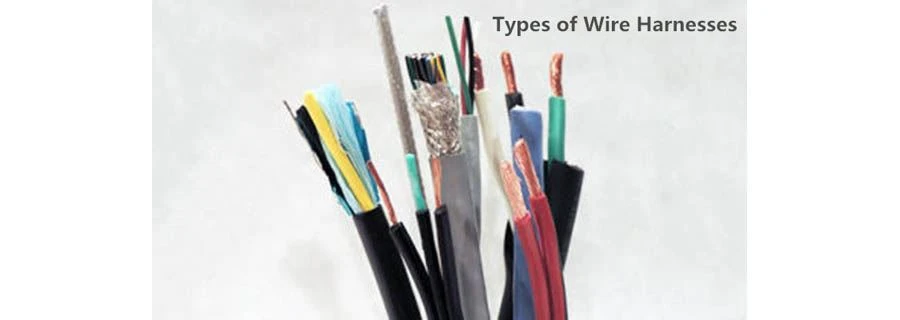
The specific material used in a harness largely depends on its surrounding environment. If the wires are run in a particularly damp environment, for example, the harness should be of a material that effectively resists moisture such as polyethylene.
Regardless of the material with which it’s made, wire harnesses can be further specialized to suit particular applications. Additional features often found in wire harnesses include:
1. Wire ties
2. Lacing
3. Insulation materials
4. Custom colors
5. Heat-shrink coatings
6. Custom labeling or barcoding
7. Four-color ink stamping
8. Individual tagging
9. Independent circuit IDs
10. Polypropylene, nylon, and paper fillers
11. Custom shielding
Just as certain materials are better suited to certain environments, certain features of wire harnesses are better suited to certain applications. Any wires at an increased risk of abrasion, for example, should be enclosed in a harness with heat-shrink coating, since heat-shrink coating is designed to minimize the effects of abrasion.