


The wiring harness is mainly used to connect various electrical equipment in the circuit as a wiring component, which is composed of wiring terminals, insulating wrapping materials, insulating sheaths and wires. Wire harnesses are basically everywhere in life, for example, there are wire harnesses in computer hosts. So what is the general processing flow of the wire harness before it is used?
The first is the acceptance of incoming materials. This can be tested with related instruments for environmental protection. After the test, see if it meets the ROHS standards. The incoming materials must not contain harmful substances such as lead and mercury. Then there is the wire feeding equipment, which is mainly to put the wire harness to be processed on the transfer wire rack, and be careful not to scratch the surface of the wire. The second is wire feeding, and the wire is put on the wire feeder for fixing. After that, the wire is cut. The wire is cut to the appropriate length with a wire cutting machine. When doing this work, pay special attention to not cutting the surface of the wire or cutting the copper wire. The length of the strip is the best. Do not exceed 1 mm. Then there is the stripping of the wire, according to the requirements of the standard, the insulation coating of the corresponding length of the wire at the joint is stripped. The error cannot exceed 1 mm either. The other is twisting the wires. Arrange and twist the wires at the joints. Do not scratch the surface of the wires. The copper wires must be tightened to avoid loose wires. The last is to connect the terminals. Connect the conductors at the joints to the plug terminals, paying attention to the width and height requirements.
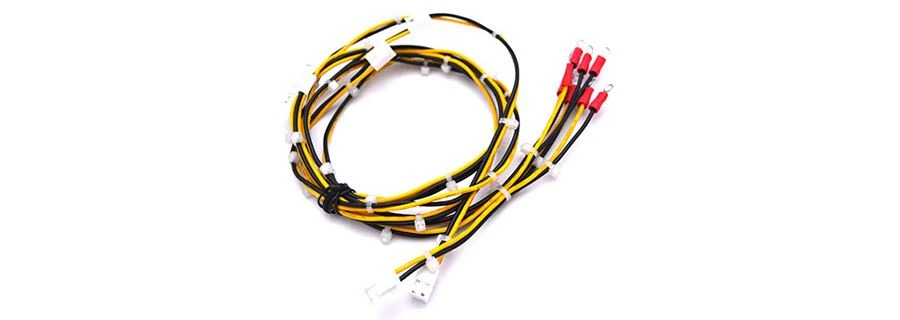
When the above-mentioned processes are completed, the wiring harness processing is basically completed, leaving only the final assembly process. For example, for product assembly, assembling the shell of a plastic plug, the torque required by the product must be reached. The second is the continuity test. Use the instrument to conduct the continuity test of the wiring harness, and avoid disconnection, poor contact, and insulation. The last is to pack the light and seal the box. Use tape to put the finished wire harness into the carton. The seal should be flat. When packing the belt, the carton should be tightly packed to prevent it from falling off.