

The difference between low smoke zero halogen cable assemblies and ordinary power cable assemblies.
What is the use? Low smoke zero halogen flame-retardant wire and cable has excellent flame-retardant function, less smoke when burning, and no corrosive gas will escape. It is widely used in nuclear power stations, subway stations, telephone exchanges and computer control centers, high-rise buildings, hotels, broadcast television stations, important military facilities and oil channels, as well as places where people are concentrated and low air density.
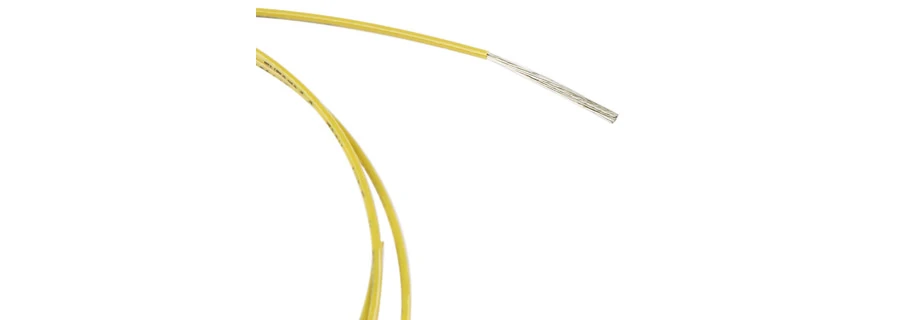
Low smoke zero halogen wire harness features:
(1) The tensile strength is higher than the tensile strength of general PVC wire: the tensile strength of general PVC wire is greater than 1.05Kgf/mm2, and the tensile strength of low smoke zero halogen wire is greater than 1.2Kgf/mm2;
(2) Outstanding weather resistance (-30℃?105℃);
(3) Outstanding softness (hardness 80-90);
(4) Immovable (because no plasticizer is added to the product formula, there will be no shape change);
(5) No toxic black smoke will occur during burning (a small amount of white smoke will occur);
(6) High volume resistivity: PVC wire is generally 1012~1015Ω/cm3, low smoke zero halogen wire is greater than 1016Ω/cm3;
(7) Has outstanding high-voltage characteristics: PVC wires are generally greater than 10KV, low smoke zero halogen wires up to 15KV;
(8) Has outstanding elasticity and viscosity.