

The use of terminal wires generally requires a lower direct current, so there is no strict control on safety, and there is a unified certification for safety. The first thing to know about the standard is to know which country it is sold to.
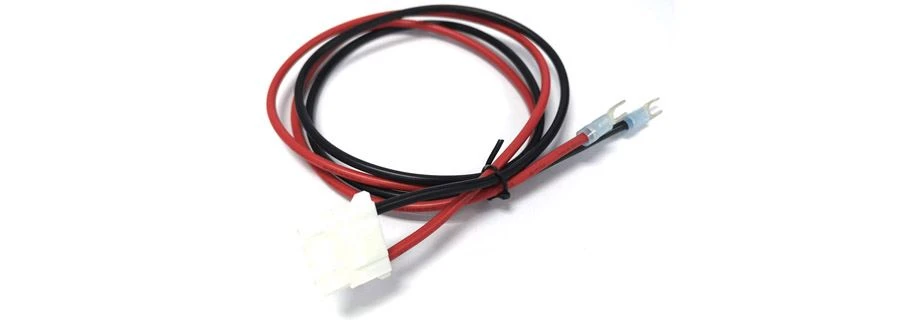
Because different countries have different standard requirements for the terminal wire harness, if you go to European countries, the product needs to have EU VDE certification, and if you go to the United States, you need to have American UL certification, and go to Australia, Japan, Italy and many other countries. There are related product certification requirements. If there is an upgrade of the Sino-Indian border confrontation, then the impact will also appear, and the required plugs will also be different. If this is not certain, the product cannot be used.
This is the primary issue. The terminal wire harnesses are divided into different specifications according to different types. For example, the national standard has 52 wires (light PVC sheathed flexible cables) and 53 wires (ordinary PVC sheathed flexible cables), and there are also thicknesses. The specifications and the thickness of the wires are mainly distinguished according to the power of the electrical appliances.