

A high-quality wire and cable harness will provide reliable insulation and protection for the conductors within. There are many options for durable harness materials, and it’s important to select what is most beneficial for your needs.
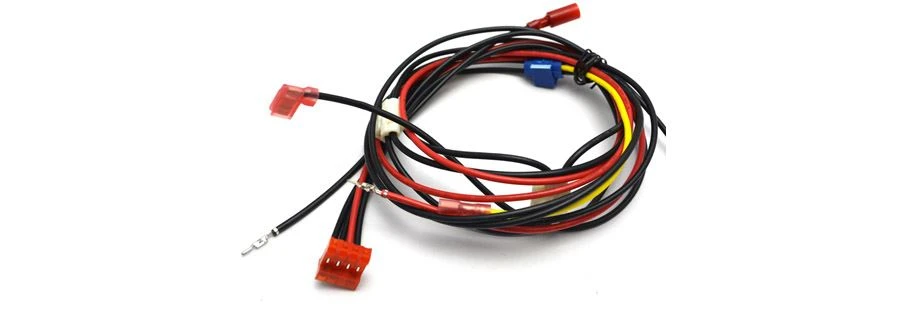
Some of the most common insulator materials include:
● PVC, or polyvinyl chloride
● SR-PVC, or semi-rigid polyvinyl chloride
● Cellular polyethylene
● EPDM, or ethylene propylene diene monomer
● TPE/TPR, thermoplastic elastomers
● PE, or polyethylene
● Both low- and high-density polyethylene (LPDE and HDPE)
● Cellular, or foam, polyethylene
● PU, or polyurethane, as well as polyurethane and nylon blends
● Low-smoke plenum copolymers
● Polypropylene (PP) and cellular (foam) polypropylene
● FEP, or fluorinated ethylene propylene
● TFE, or tetrafluoroethylene
● PTFE, or polytetrafluoroethylene
● ETFE Tefzel
● PVDF Kynar
● ECTFE Halar
● IRR/PVC, or irradiated polyvinyl chloride
● XLPE, or cross-linked polyethylene
● Vinyl
In choosing between these and other options, it is important to consider environmental variables such as operating temperature and humidity. The presence of moisture, for example, may require waterproof materials like polyethylene to avoid damage to the conductor.